

 Sign-In / Register


Buying property in Kololi is about more than choosing an apartment at the right price.
For buyers considering a property for rental income, future personal use, or a combination of both, location, payment structure, rental potential, everyday convenience, and property management can all affect whether a purchase works in practice.
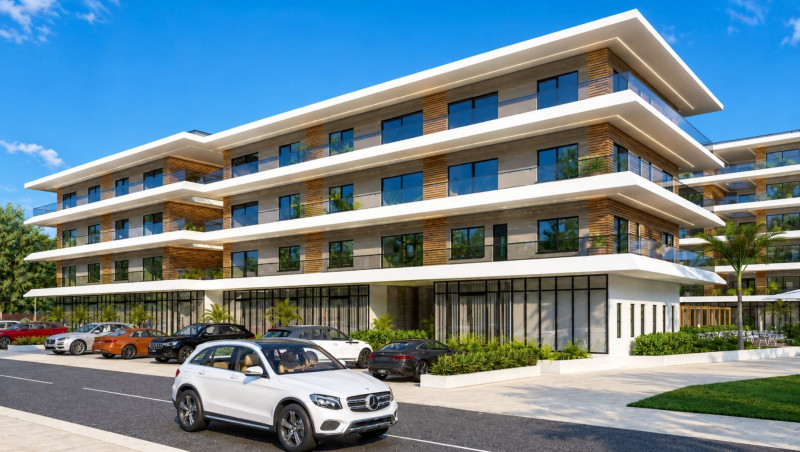
Kololi District is Blue Ocean Properties' mixed use development in Palma Rima, Kololi. The project is currently under construction, with completion scheduled for December 2027.
Its Palma Rima location, access to Bertil Harding Highway, proximity to the beach, planned commercial and lifestyle facilities, financing options, rental support, and Blue Ocean's planned physical presence within the development give buyers several practical factors to consider beyond the apartment itself.
View Current Kololi District Property Details
Kololi District at a Glance
| Buyer Question | Kololi District |
|---|---|
| Location | Palma Rima, Kololi |
| Development status | Currently under construction |
| Scheduled completion | December 2027 |
| Current advertised starting price | From $58,000 |
| Apartment options | Studios through three bedroom apartments |
| Development type | Residential, commercial, leisure, and office development |
| Beach proximity | Approximately five minutes' walk according to Blue Ocean project information |
| Main road access | Just off Bertil Harding Highway |
| Construction payment option | Payments can be made across the construction period |
| Bank financing | GT Bank financing is available subject to lender eligibility and terms |
| Property management | Blue Ocean property management support |
| Rental support | Blue Ocean's rental department can assist owners with finding tenants |
| Blue Ocean presence | Main office planned within the development |
The source draft confirms Palma Rima, Bertil Harding Highway access, the stated five minute beach walk, in house management, and December 2027 scheduled completion.
Browse Properties for Sale in Palma Rima
Why Location Matters When Buying in Kololi
Two properties marketed as being in Kololi can provide very different ownership experiences.
For someone buying a home or rental investment, access to transport, the beach, restaurants, banks, hotels, commercial areas, and everyday services can all affect convenience and appeal.
Kololi District is positioned in Palma Rima, just off Bertil Harding Highway.
Bertil Harding Highway connects the airport and tourism areas with Banjul, making it an important route through this part of The Gambia.
Blue Ocean's project information states that the development is approximately a five minute walk from the beach. Hotels, restaurants, banks, and commercial facilities are also available within a short walk.
For buyers considering rental use, these details matter because tenants often evaluate more than the apartment itself. They may also consider transport, shopping, leisure, restaurants, employment areas, and access to the coast.
Buyers should still confirm the exact walking route, nearby businesses, and current transport connections before making a purchase.
Ask Blue Ocean for the Exact Location, Site Plan, and Current Development Information
More Than an Apartment Building
Kololi District is planned as a mixed use development rather than a standalone residential block.
Blue Ocean's plans include:
- Residential apartments
- Restaurants
- Gym and fitness facilities
- Supermarket
- Café
- Office space
- Commercial space
- Blue Ocean Properties' main office
These elements make the project different from a development that offers residential units alone.
The aim is to combine housing with commercial, dining, fitness, office, and everyday services in one location.
Blue Ocean also plans to locate its main office within Kololi District. This gives owners access to a company presence within the development rather than relying only on remote support.
Current Apartment Options and Pricing
Blue Ocean currently advertises Kololi District apartments from $58,000.
The development includes studio, one bedroom, two bedroom, and three bedroom apartments.
The starting price should not be treated as the price of every unit.
Price may vary according to apartment size, floor, position, specification, and current availability.
Before reserving an apartment, request:
- Price of the exact unit
- Current availability
- Floor plan
- Apartment specification
- Unit position
- Required deposit
- Payment schedule
- Service charges
- Management costs
View Current Kololi District Availability | Browse Apartments for Sale
How Payment Works During Construction
One of the most important questions for someone purchasing during construction is how the purchase price is paid.
According to Blue Ocean's September development information, buyers can make payments during the construction period, from the date of purchase through to the scheduled completion in December 2027.
This can provide a different payment structure from purchasing a completed property where the full amount may be required sooner.
The exact schedule should be confirmed for the individual apartment and included in the buyer's agreement.
Buyers should ask for written information covering:
- Initial payment or deposit
- Amount of each payment
- Payment dates
- Final payment requirement
- Applicable fees
- Legal and administrative costs
- Late payment terms
- Cancellation provisions
- Completion provisions
- What happens if the construction schedule changes
Request Current Kololi District Payment Terms
GT Bank Financing
Blue Ocean also offers buyers access to GT Bank financing.
Bank financing should never be assumed to be automatic. Approval depends on the lender's current eligibility rules, documentation requirements, financial assessment, deposit requirements, and other terms.
Before planning a purchase around financing, buyers should confirm:
- Who is eligible
- Required deposit
- Documentation needed
- Interest rate
- Repayment period
- Financing charges
- Early repayment terms
- When repayments begin
- What happens if financing is declined
Read the Kololi District Payment Plans and GT Bank Financing Guide
A Real Buyer Financing Example
Specific buyer examples are more useful than vague claims that financing is available.
Blue Ocean has published an example involving Sarah K. from the UK, who used GT Bank financing for a $95,000 Kololi apartment.
According to Blue Ocean, the financing process began in November 2025, took approximately nine weeks, and the purchase completed in January 2026.
This example demonstrates that a buyer has completed the financing process through Blue Ocean and GT Bank.
It does not mean another applicant will receive approval within the same period or on the same terms.
Every application depends on the buyer's circumstances, the property, and the lender's requirements at the time.
Read the Full Kololi Financing Buyer Example
Why Rental Buyers Are Looking Closely at Kololi
More buyers are looking at property as a potential rental investment rather than solely as a place to live.
For these buyers, purchase price is only one part of the decision.
They also need to consider:
- Tenant demand
- Expected rent
- Occupancy
- Location
- Amenities
- Property management
- Service charges
- Maintenance costs
Kololi District brings several of these considerations together.
Its Palma Rima location, access to Bertil Harding Highway, proximity to the beach, nearby commercial activity, planned facilities, Blue Ocean rental support, and property management may all be relevant to someone purchasing with tenants in mind.
The important point is that rental potential should be evaluated using evidence for the actual apartment being considered.
How to Evaluate Rental Potential
A broad rental figure for Kololi is not enough to estimate what a specific apartment may earn.
Before purchasing for rental use, buyers should request information covering:
- Expected monthly rent
- Expected annual rent
- Comparable rental evidence
- Expected occupancy
- Property management fees
- Service charges
- Maintenance expenses
- Owner paid utilities
- Tenant finding costs
A basic gross rental yield can be calculated using:
Annual rental income divided by purchase price, multiplied by 100
However, gross yield is not the same as profit.
Vacancy, maintenance, management, service charges, utilities, and other costs can reduce the amount an owner actually receives.
Blue Ocean's source draft correctly warns against using unrelated Kololi rental evidence to calculate the expected yield for a Kololi District apartment.
Read Blue Ocean's Buy to Rent Property Guide
Blue Ocean Can Help Owners Find Tenants
Buying a rental property is only the beginning of the ownership process.
Someone may still need to:
- Market the apartment
- Respond to enquiries
- Find tenants
- Arrange inspections
- Collect rent
- Coordinate maintenance
- Respond to day to day issues
Blue Ocean has a rental department that can help owners find tenants.
The company also plans to provide property management for Kololi District.
For an owner who does not want to handle every part of the rental process personally, this local support may make ownership more practical.
Before appointing any property manager, owners should confirm:
- Management fees
- Tenant finding fees
- Services included
- Rent collection procedures
- Financial reporting
- Inspection arrangements
- Maintenance procedures
- Repair authorisation
- Vacancy marketing
Ask Blue Ocean About Rental and Property Management Services
Why the Planned Amenities Matter
Amenities can influence both daily living and rental appeal.
Kololi District is planned to combine apartments with restaurants, fitness facilities, commercial space, offices, a supermarket, and a café.
For residents, this can make everyday life more convenient.
For rental owners, these facilities may also form part of the overall proposition when marketing an apartment to prospective tenants.
Buyers should still ask what will be operational at completion, which amenities are included in service charges, and whether any facilities have separate usage costs.
Buying During Construction Versus Buying a Completed Property
Kololi District is currently under construction.
That creates a different buying experience from purchasing a property that can be occupied immediately.
| Consideration | Kololi District |
|---|---|
| Current status | Under construction |
| Immediate occupation | No |
| Scheduled completion | December 2027 |
| Construction payments | Payments can be structured across the construction period |
| Bank financing | GT Bank financing subject to approval |
| Amenities | Residential, commercial, dining, fitness, and office facilities planned |
| Rental support | Blue Ocean rental department |
| Management | Property management support available |
A buyer who requires immediate occupation may prefer a completed property.
A buyer who is comfortable waiting for completion may value the planned facilities, payment structure, and ability to purchase within a new development.
What Buyers Should Verify Before Purchasing
Because Kololi District remains under construction, buyers should distinguish between what exists now and what is planned.
The project's 3D renderings are useful for understanding the intended design, but they represent the planned development rather than completed buildings.
Before making a financial commitment, buyers should request current information covering:
- Available apartments
- Exact purchase price
- Apartment specification
- Floor plan
- Unit position
- Current construction progress
- Latest scheduled completion date
- Payment schedule
- GT Bank financing requirements
- Tenure
- Service charges
- Management charges
- Rental projections
- Warranty information
- Cancellation provisions
- Completion provisions
Buyers should also obtain appropriate independent legal advice before entering into a property purchase.
Who Could Kololi District Suit?
Kololi District may appeal to buyers looking for:
- A central Palma Rima location
- Access to Bertil Harding Highway
- Beach access within walking distance
- A modern apartment
- A mixed use development
- Payments during the construction period
- The option to explore GT Bank financing
- Rental potential
- Help finding tenants
- Property management support
- Commercial and lifestyle facilities within the development
- A planned Blue Ocean office within the development
The most useful way to assess the opportunity is to evaluate the exact apartment rather than relying only on headline information about the development.
Request Current Kololi District Availability
Kololi District is currently under construction, with completion scheduled for December 2027.
If you are considering buying for personal use, rental income, or both, ask Blue Ocean Properties for current information on the apartments available.
Request:
- Current unit availability
- Latest prices
- Floor plans
- 3D development renderings
- Current construction progress
- Payment schedule through December 2027
- GT Bank financing information
- Rental projections
- Tenant finding information
- Property management terms
- Warranty information
View Kololi District Property Details | Browse Properties for Sale in Palma Rima | Browse All Properties for Sale | Browse Apartments for Sale | Contact Blue Ocean Properties
Phone: (+220) 3972583
Email: info@blueoceanproperties.net
If your goal is to buy a property that could also work as a rental investment, the next practical step is to request the current price, payment structure, expected rent, and management costs for the exact Kololi District apartment you are considering.