

 Sign-In / Register


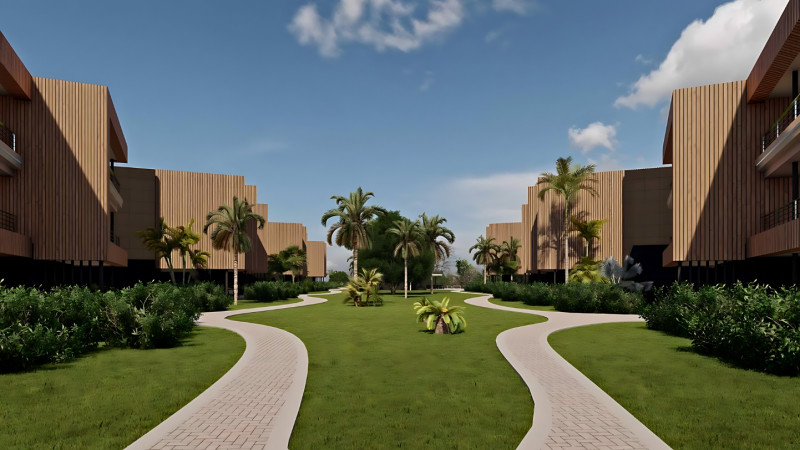
The Gambia’s real estate market is experiencing an exciting transformation! With rapid economic growth, increasing international interest, and a burgeoning tourism sector, this West African gem is becoming one of the most sought-after destinations for property investors. But what does the future hold for The Gambia’s real estate market in 2025? From the rising demand for beachfront properties to the growing need for affordable housing, now is the perfect time to explore the opportunities this dynamic market offers. In this article, we will forecast the key trends and challenges shaping The Gambia’s property landscape and explain why this is the best time to invest in real estate. Let’s dive in and see what’s on the horizon for The Gambia!
Understanding The Gambia’s Real Estate Landscape in 2025
Current Economic and Real Estate Status
The Gambia is currently undergoing substantial economic growth, making it one of the most attractive markets for real estate investment in West Africa. With a stable political climate, increased international investment, and rising domestic demand, the real estate sector is poised for rapid development. The country’s GDP growth, supported by sectors such as agriculture, tourism, and construction, is creating new opportunities for both residential and commercial property investment. The Gambia’s real estate market is increasingly being recognised as a viable option for long-term investment due to its resilience and potential for high returns.
Key Drivers of Growth
Several factors are contributing to the boom in The Gambia’s real estate market:
- Government Policies: The Gambian government has been proactive in creating policies that support both foreign and local property investors. These include tax incentives for foreign buyers, simplified property transaction processes, and strategic infrastructure projects that enhance the appeal of investment.
- Infrastructure Development: Significant infrastructure upgrades, such as road expansions, airport enhancements, and the development of new commercial zones, are contributing to the increasing value of properties in key areas. Additionally, the government’s focus on energy, telecommunications, and water infrastructure is making the country even more attractive to investors.
- Growing Middle Class: The Gambia’s expanding middle class, which is seeing an increase in disposable income, is creating an insatiable demand for modern housing, retail spaces, and commercial properties. This growing demographic is driving the demand for both affordable homes and higher-end properties.
Tourism’s Influence
Tourism continues to be one of the most significant drivers of The Gambia’s economy, and this has a direct influence on its real estate sector. As international tourism increases, the demand for short-term rentals, hotels, and beachfront properties is also rising. Investors are capitalising on the influx of international tourists by developing properties in prime tourist locations. Areas like Kololi, Kotu, and the western coastline are particularly popular among tourists, making them prime areas for short-term rental investments. With the expected growth in visitor numbers, properties that cater to tourists offer investors high potential returns.
Key Trends Shaping The Future of The Gambia’s Real Estate Market
Urbanisation and Property Development
Urbanisation in The Gambia is accelerating, particularly in the capital city, Banjul, and the bustling town of Serekunda. With urbanisation, the demand for residential and commercial properties is booming. As more people move into urban areas in search of better job prospects and improved living conditions, there is an increased need for both housing and infrastructure. This trend is driving large-scale developments, such as new residential estates, mixed-use developments, and commercial hubs.
In addition, the rise of office space demand, particularly in Banjul and Serekunda, presents a unique opportunity for commercial property investors. The demand for co-working spaces and modern office buildings is expected to continue growing, providing diverse investment options in both residential and commercial real estate.
Rising Demand for Luxury and Beachfront Properties
The increasing popularity of The Gambia as a travel destination, combined with a rise in disposable income, has created a boom in demand for luxury properties and beachfront villas. As expatriates, international buyers, and high-net-worth individuals flock to the country, beachfront properties are becoming some of the most sought-after assets on the market.
Areas like Tanji, Bijilo, and the coastal stretch from Kololi to Cape Point are seeing new developments of luxury villas and high-end resorts aimed at both investors and high-income earners. These properties cater to the growing tourism market, which brings in an influx of tourists every year. For investors, beachfront properties offer an attractive opportunity, with rental yields boosted by the influx of short-term visitors looking for a taste of the region’s natural beauty.
Sustainability in Housing
Sustainability has become a major theme in global real estate, and The Gambia is no exception. With an increasing awareness of environmental concerns, developers in The Gambia are focusing on eco-friendly housing solutions. Sustainable practices, such as the use of renewable energy, water conservation, and green building materials, are becoming key features in new housing projects.
Developers are not only responding to market demand but also to global trends. As the government continues to support green initiatives, there will likely be further incentives for those investing in eco-friendly developments. These environmentally-conscious properties provide investors with a competitive edge and the potential for long-term value appreciation.
Tech and Real Estate Transactions
In today’s digital age, technology is revolutionising the way real estate transactions are conducted. In The Gambia, the increasing use of online platforms for property searches, virtual tours, and digital payment methods is making the property buying process smoother and more accessible for both local and international investors.
Moreover, real estate tech innovations such as blockchain and smart contracts are gaining traction in the region, promising a more secure, transparent, and efficient property transaction process. This is particularly important for international investors, as these technologies can mitigate risks associated with land ownership disputes and fraud. The continued integration of these technologies will likely contribute to increased investor confidence and streamline property dealings in The Gambia.

Investment Opportunities in The Gambia’s Real Estate Market in 2025
Banjul and Serekunda
Banjul, the capital city, is at the heart of the country’s real estate development. As the economic, cultural, and political centre of The Gambia, Banjul offers prime investment opportunities in both residential and commercial real estate. Key developments in the city include luxury apartment complexes, modern retail outlets, and commercial office spaces aimed at meeting the needs of the growing middle class and international businesses.
Serekunda, one of the largest and most populous towns in The Gambia, is experiencing rapid urbanisation, which is resulting in increased demand for housing and retail properties. Investors can expect significant returns in this market as Serekunda continues to expand and attract both local and international residents.
Coastal Areas for Beachfront Investments
The Gambia’s coastline remains a highly sought-after location for property investments. Coastal areas like Kololi, Kotu, and Tanji offer a unique opportunity for beachfront property developers and investors. These areas are popular with tourists and expatriates, making them ideal for both short-term rental properties and luxury residential estates.
With the government focusing on enhancing the tourism sector, investments in coastal real estate have high potential for both capital appreciation and steady rental yields. As the Gambia’s tourism continues to grow, coastal properties will likely become even more valuable.
Residential, Commercial, and Short-Term Rentals
The Gambia’s real estate market is diverse, offering opportunities in residential, commercial, and short-term rental properties. Residential developments are increasingly catering to the demand for affordable housing as well as luxury accommodations.
For commercial real estate investors, The Gambia offers opportunities to invest in shopping malls, office buildings, and retail spaces, particularly in urban centres like Banjul and Serekunda.
Additionally, the short-term rental market, driven by tourism, presents a profitable opportunity. Properties suitable for short-term rentals, such as furnished apartments, vacation homes, and villas, continue to attract high rental income, making them an excellent choice for both local and foreign investors.
Government Incentives
Foreign investors in The Gambia benefit from a range of incentives designed to encourage property investment. These include reduced taxes on property acquisition and rental income, exemptions from import duties on construction materials, and government-backed financing options. The government has also established investment zones offering further benefits to developers who invest in specific sectors such as tourism, residential housing, and commercial infrastructure. These incentives make The Gambia an appealing market for international investors looking to maximise their returns while benefiting from favourable tax conditions.

Challenges to Watch for in The Gambia’s Real Estate Market
Navigating Regulatory Hurdles
The Gambia’s property market, while full of potential, comes with its own set of challenges, particularly for foreign buyers. One of the most significant hurdles is understanding the country’s land ownership laws. While foreign investors are allowed to purchase property in The Gambia, there are important regulations that must be adhered to, especially regarding land ownership. Non-citizens can typically only purchase property on a leasehold basis for up to 99 years, which means foreign buyers must fully understand the terms and conditions tied to these agreements.
It’s critical that investors verify property titles, especially if buying land or real estate in rural or less-developed areas where ownership records may not be as robust. Foreign buyers should also consider working closely with local legal experts or a trusted estate agency, such as Blue Ocean Properties, to ensure that all legal processes are in order. Having access to legal professionals who can help navigate these complex regulations reduces the risk of future disputes or costly mistakes.
Emerging Market Risks
As with any emerging market, The Gambia’s real estate sector is not without its risks. Economic volatility, changes in political stability, and fluctuations in market demand are all factors that investors must keep in mind when considering property investments. The Gambia is a developing country, and while it is experiencing positive growth, its market is still susceptible to regional economic shifts, inflation, and other global factors.
Political instability, although generally low in The Gambia, can pose a risk for property owners, especially for those who are not familiar with the local landscape. For instance, shifts in government or changes in economic policy can impact the ease of doing business, taxes, or the regulatory environment. Investors should also consider potential currency risks, as fluctuations in exchange rates may affect the profitability of international property investments.
To mitigate these risks, conducting thorough due diligence before making any real estate purchase is critical. This includes researching the market conditions, understanding economic forecasts, and ensuring that properties are located in areas with stable demand. One effective strategy for safeguarding against these risks is to diversify investments across different property types and geographical regions within the country.
Infrastructure and Development Challenges
Although there have been notable improvements in The Gambia’s infrastructure over recent years, certain areas—particularly rural locations—continue to face development challenges. Infrastructure gaps such as unreliable roads, limited public transportation networks, and inconsistent access to utilities can impact the value of properties.
For example, areas outside of the major urban centres like Banjul and Serekunda may face challenges with electricity supply, water access, or road conditions, which can affect property development timelines, the comfort of residents, and long-term capital growth. These challenges could influence the marketability of properties, especially for residential real estate.
Investors who are considering purchasing property in underdeveloped areas should carefully evaluate the state of infrastructure in the locality. While these areas may offer affordable properties with potential for capital appreciation, the lack of modern infrastructure could impede both short-term rental returns and long-term value growth. Working with local real estate professionals can help investors identify the areas where infrastructure development is progressing and align their investments accordingly.

Forecasting Property Prices and ROI in The Gambia for 2025
Property Price Trends
The Gambia’s real estate market is experiencing a significant upward trajectory, and property prices are expected to continue rising through 2025. High-demand areas like coastal regions (Kololi, Kotu, Tanji) and urban centres (Banjul, Serekunda) are particularly seeing an increase in property values due to growing demand from both local buyers and international investors.
Given the growing influx of tourists and expatriates, beachfront properties are expected to see the most dramatic increases in price, especially in prime tourist zones. Commercial properties in urban hubs are also projected to experience appreciation due to the expanding local economy, greater availability of jobs, and infrastructure development projects that improve accessibility and business opportunities.
Potential ROI
For investors looking to gain a solid return on investment (ROI), residential properties in key urban areas such as Banjul and Serekunda, as well as coastal properties, represent high-potential opportunities. Short-term rental properties, particularly in tourist-heavy areas, can generate high yields due to the rising number of international visitors.
Coastal properties, including beachfront villas and hotels, stand to provide some of the highest ROI, driven by the consistent growth of The Gambia’s tourism sector. These properties can offer both strong rental income from tourists and long-term capital appreciation, making them an attractive choice for investors with an eye on both short-term and long-term gains. Investors should keep an eye on property management services and rental demand in popular tourist destinations, as these factors will heavily influence profitability.
Long-Term Capital Growth
Investors focused on long-term capital growth in The Gambia will likely benefit as the real estate market continues to mature. Over the next several years, as infrastructure develops and the economy grows, property values are expected to rise consistently. Additionally, The Gambia’s real estate market will become increasingly attractive to international buyers, further boosting demand.
For example, investments in newly developed residential areas on the outskirts of Banjul or in up-and-coming regions like Serekunda are expected to yield positive returns as these areas become more urbanised and accessible. Land banking (buying land for long-term appreciation) is another effective strategy for investors looking to capitalise on long-term growth, especially in less-developed or rural areas where future infrastructure improvements are planned.
How to Make Successful Real Estate Investments in The Gambia
Conducting Thorough Due Diligence
Before committing to any real estate investment in The Gambia, investors should always conduct thorough due diligence. This involves verifying property titles, checking zoning and land-use regulations, confirming the authenticity of property ownership, and ensuring that the property is free from encumbrances. Additionally, understanding the local property tax laws, utility access, and future infrastructure developments in the area is crucial to evaluating the potential risks and rewards of an investment.
For foreign investors, it’s essential to work with a local lawyer or an estate agency, such as Blue Ocean Properties, to ensure that all legal and regulatory requirements are met. This can prevent future legal complications and provide peace of mind, particularly when navigating complex land ownership and transaction laws.
Partnering with Local Experts
One of the most effective ways to navigate The Gambia’s real estate market is by partnering with local experts. Local estate agencies like Blue Ocean Properties not only offer valuable insights into market trends but also have in-depth knowledge of the local legal landscape, property valuations, and the best investment opportunities available.
Experienced agents can help investors identify properties with the most growth potential, streamline the transaction process, and ensure compliance with all legal regulations. Their guidance is invaluable for foreign investors unfamiliar with the local market and property laws.
Understanding Local Market Dynamics
To make successful real estate investments in The Gambia, it is essential to understand the local market dynamics. Each region in The Gambia has its own set of economic drivers, demand for property types, and market conditions. Understanding the local economy, employment trends, tourism statistics, and population growth projections can help investors choose properties that are most likely to offer high returns.
It’s also critical to stay updated on the regulatory environment in The Gambia. Changes in laws governing foreign property ownership, tax incentives, or development policies can have a major impact on the value of an investment. By staying informed and connected with local professionals, investors can avoid common pitfalls and make well-informed decisions about where to allocate capital.
Why Choose Blue Ocean Properties?
Local Expertise and Market Knowledge: Blue Ocean Properties has an in-depth understanding of The Gambia’s real estate market and can guide you through every step of the investment process.
Proven Track Record of Success: With years of experience, Blue Ocean Properties has successfully helped numerous clients find and purchase their ideal properties, offering expert advice and tailored solutions.
Personalized Service: We take the time to understand your unique investment goals and offer customised advice and property options that best meet your needs.
Innovative Technology and Tools: Blue Ocean Properties uses cutting-edge technology to simplify property searches and help you stay ahead of market trends.
Dedicated Support: Our team offers end-to-end support, from property search to final purchase, ensuring a seamless and stress-free experience.
Frequently Asked Questions (FAQ)
1. Can foreign buyers invest in property in The Gambia?
Yes, foreign buyers are welcome to invest in The Gambia’s real estate market. However, it is important to work with a local expert to navigate the land ownership laws.
2. What are the best areas to invest in The Gambia?
Banjul, Serekunda, and the coastal regions are the most attractive areas for property investment, with strong demand for residential, commercial, and tourism-related properties.
3. What are the potential returns on investment (ROI) in The Gambia?
Property in The Gambia offers high ROI, particularly in areas like coastal regions and urban centres. The rental market is strong, with the potential for long-term capital growth as well.
4. Are there any government incentives for foreign investors?
Yes, the Gambian government offers tax incentives and investment support to encourage foreign property investment.
Conclusion
The Gambia’s real estate market presents an exciting opportunity for investors in 2025. With growing demand for beachfront properties, commercial spaces, and residential homes, there are numerous avenues for high returns. However, understanding the risks, conducting thorough research, and partnering with local experts like Blue Ocean Properties are crucial steps to ensure a successful investment. Now is the time to explore the opportunities and make informed decisions to secure your spot in one of Africa’s fastest-growing property markets. Ready to get started? Contact Blue Ocean Properties today and make your investment in The Gambia!