


 Sign-In / Register



Buying a property before construction is complete means committing money before you can inspect the finished home. The price, payment schedule and choice of units may appeal, but you also need clear answers about ownership, approvals, construction progress and what happens if the project is delayed.
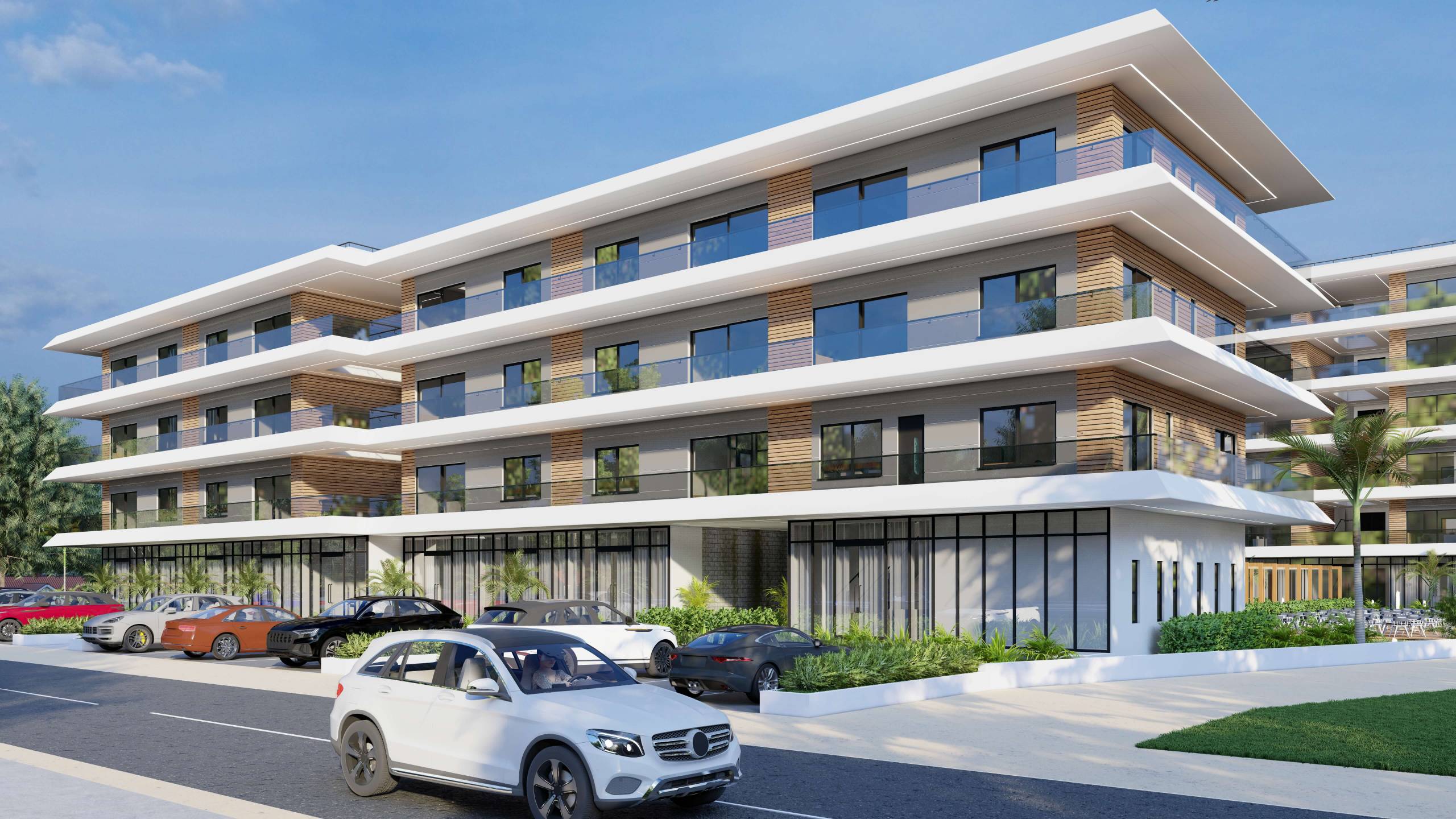
Blue Ocean Properties’ portfolio gives buyers specific developments to investigate. Its Kololi District listing in Palma Rima is marked as coming soon, advertises prices from $58,000 and mentions five year customer financing. Those details provide a starting point for questions about available units, construction status and the written financing terms.
This checklist explains what to review before reserving, how to assess payment milestones and which protections to discuss with your independent lawyer.
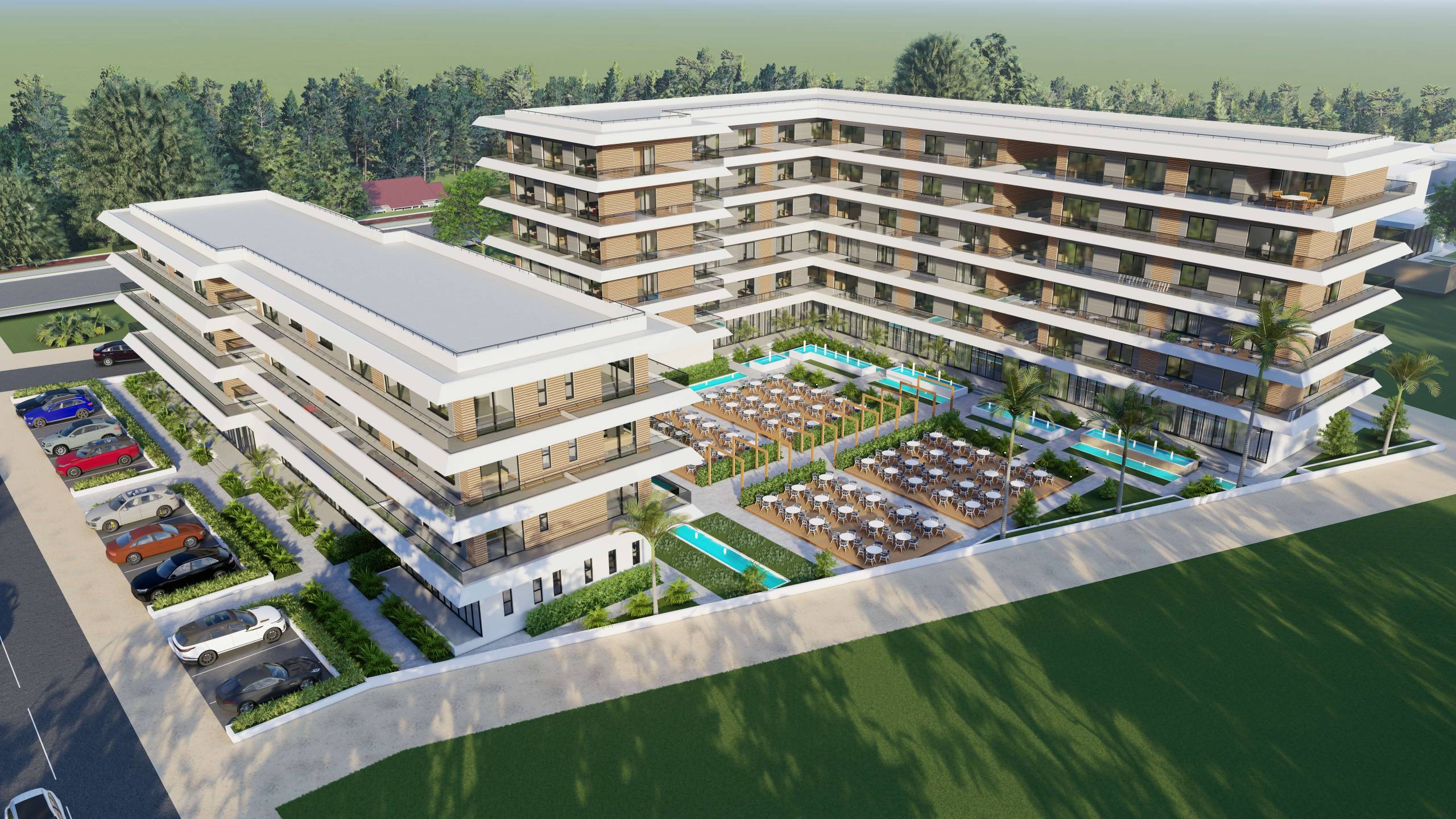
Understanding Off Plan Property in The Gambia
An off plan purchase involves agreeing to buy a property before it is finished. Depending on the project, construction may not have started, may be underway or may be approaching completion. Payment obligations can begin well before the property is ready for occupation.
In The Gambia, buyers may encounter apartment developments along the Atlantic coast and residential estates around Brufut, Kololi and the wider Kombo area. Each project needs its own assessment of land rights, approvals, construction arrangements and the process for transferring the buyer’s interest.
Do not assume that a development’s advertised payment plan includes financing approval, deposit protection or a guaranteed completion date. These are separate matters that need written confirmation.
Why Buy Off Plan? Risks and Rewards
Potential benefits include access to a wider choice of units, opportunities to select finishes and payments spread over an agreed period. An early purchase may offer a price advantage, but that must be demonstrated through comparable properties rather than assumed from a promotional discount.
Risks include construction delays, specification changes, funding problems, ownership disputes and exchange rate movements. Future resale values and rental income remain uncertain.
Consider whether you can accommodate a later handover without depending on immediate occupation, rental income or resale. A payment schedule that looks manageable today may become difficult if your circumstances change before completion.
Off Plan or Resale: Which Route Suits You?
Compare the practical differences before deciding whether an unfinished property meets your requirements. On smaller screens, scroll horizontally to view the full table.
| Dimension | Off Plan Purchase | Resale or Completed Property |
|---|---|---|
| Price | An early purchase may offer a price advantage. Compare the full cost with similar completed homes. | The finished property can be valued against its existing condition and available comparables. |
| Ownership Verification | Review the underlying land rights, seller’s authority and proposed ownership arrangements for the individual unit. | Existing ownership documents can be investigated, but defects, disputes and restrictions still require checks. |
| Completion Risk | Construction, funding and approval issues can delay delivery or affect the final specification. | Construction is already complete, although repairs, defects and outstanding approvals may remain. |
| Customisation | Some projects allow finish or layout choices, subject to written agreement and additional charges. | Changes normally require renovation and any necessary permissions. |
| Financing | Developer instalments or financing may be advertised. Confirm eligibility, security, charges and default terms. | Availability depends on the lender, buyer, property and ownership documentation. |
| Occupation and Income | Occupation and rental income depend on completion, handover, furnishing and any required permissions. | Earlier occupation or letting may be possible after legal completion and any necessary preparation. |
| Exit Before Occupation | Selling the contract depends on assignment rights, developer consent and finding another buyer. | Buyers can inspect the finished home, but resale timing and price remain uncertain. |
Off plan buying may suit buyers who value unit choice and can accommodate construction uncertainty. A completed property may suit those who need to inspect the finished home or have a more immediate occupation requirement.
Step 1: Research the Developer’s Track Record
Identify the legal entity developing the project, the entity selling the property and the party holding the land rights. They may be different organisations. Your lawyer should establish the relationship between them and who is responsible for each contractual obligation.
- Delivered developments: Visit finished buildings, inspect their condition and ask owners about handover and subsequent repairs.
- Local presence: Confirm the developer’s office, project team and arrangements for responding to buyers.
- Financial arrangements: Ask how construction is funded and what happens if sales or financing fall short.
- Transparency: Request specifications, drawings, approval documents, payment terms and references.
- Relevant experience: Compare the developer’s completed work with the size and complexity of the proposed project.
Blue Ocean Properties states that it was established in 2011 and maintains a team of Gambian property professionals. Use that local presence to arrange viewings and request project information, while keeping legal and technical verification independent.
Its Heritage Community listing advertises three bedroom homes in Brufut at $141,000. Ask which homes can be inspected, their current completion status and whether you can speak with existing owners.

Illustrative Risk Scenario: A Project Stalls After Foundations
Imagine a buyer paying a 30% deposit directly into a developer’s operating account. Foundations begin, but construction stops when further funding fails to arrive. The buyer then discovers that a separate company holds the land rights.
The checks this scenario highlights are straightforward: identify every contracting party, investigate construction funding, understand where payments are held and establish the remedies available if work stops. A site showing early progress does not prove that funding is sufficient to finish it.
Illustrative Risk Scenario: An Ownership Dispute Appears at Handover
A finished building does not resolve every ownership question. If a third party disputes a boundary or land interest, a buyer may face uncertainty even when the apartment itself looks ready.
Have your lawyer and surveyor investigate the property boundaries, relevant records and any additional local enquiries appropriate to the site. Construction completion and satisfactory ownership documentation should be treated as separate requirements.
Step 2: Review the Sales Contract and Payment Schedule
Have an independent lawyer review the contract before you sign or pay a reservation fee. It should clearly identify:
- The property: Unit number, floor, agreed area, parking, storage and rights to shared facilities.
- Total price: Contract currency, included items, additional charges and any exchange rate provisions.
- Payment milestones: Exact amounts, due dates, evidence required and who confirms progress.
- Completion arrangements: Target date, permitted extensions, final contractual deadline and consequences of delay.
- Specification: Signed plans, finishes, fixtures, services and rules governing substitutions.
- Ownership transfer: Documents to be delivered, registration responsibilities and any outstanding conditions.
- Cancellation and default: Refund provisions, deductions, notice requirements and dispute procedures.
A reservation form can itself create obligations. Establish whether the fee is refundable, how long the unit is reserved and which conditions must be satisfied before the main contract takes effect.
Payment Milestone Structures and Buyer Exposure
The following schedules are illustrations for comparing payment exposure. They are not confirmed Blue Ocean terms or standard Gambian payment plans. Every schedule totals 100%.
| Milestone Structure | Payment Breakdown | Buyer Exposure | Questions to Resolve |
|---|---|---|---|
| Lower Initial Payment | 10% reservation 20% foundation 30% roof 30% internal finishes 10% handover | 30% paid by foundation completion and 60% by roof completion. | Who certifies each stage, and does the value of completed work support the amount released? |
| Intermediate Initial Payment | 20% reservation 25% foundation 25% roof 20% internal finishes 10% handover | 45% paid by foundation completion and 70% by roof completion. | What payment protection applies to the substantial balance released before occupation? |
| Higher Initial Payment | 30% reservation 30% foundation 20% roof 15% internal finishes 5% handover | 60% paid by foundation completion and 80% by roof completion. | Why is the early funding required, and what enforceable security supports the payments? |
| Detailed Structural Milestones | 15% reservation 40% across agreed foundation and floor milestones combined 15% roof 10% services 10% finishes 10% handover | 55% paid after the combined structural milestones and 70% after roof completion. | How is the combined 40% divided, and can an independent professional inspect every payment stage? |
A smaller deposit does not make a project safe by itself. Ownership, funding, payment security, certification and enforceable contract terms all affect the buyer’s position.
For Kololi District, ask Blue Ocean to explain how the advertised five year customer financing relates to construction milestones, handover and ownership transfer. Confirm interest, charges, eligibility and early repayment terms in writing.
Step 3: Verify Land Rights and Development Approvals
Before paying a deposit, have your lawyer establish what interest the seller holds and what interest you will acquire. A development name, brochure or site visit does not replace that investigation.
- Ownership documents: Obtain the relevant documents and verify the seller’s authority to transact.
- Boundaries: Confirm that survey information matches the development site and the unit or plot being sold.
- Existing interests: Investigate mortgages, charges, restrictions, competing claims and any consents needed for transfer.
- Development approvals: Check approvals for the actual design, building height, density and intended use.
- Individual ownership: Establish how your apartment or plot will be documented and what rights attach to communal areas.
The Ministry of Lands’ published land policy document discusses ownership searches, encumbrances and building permit requirements. Your lawyer should apply the relevant procedures to the specific property rather than assume one document resolves every issue.
Illustrative Risk Scenario: The Approved Design Differs From the Brochure
Suppose a buyer reserves a unit using promotional drawings, but the approved plans require a different layout or position. The result could affect floor area, access, views or even whether the reserved unit can be built as described.
Compare the approved drawings with the contract plans. Ask your lawyer to address material changes, notification requirements and the buyer’s options if the agreed property cannot be delivered.
Step 4: Understand Construction Timelines and Delay Exposure
Request a construction programme covering site preparation, foundations, structure, roof, services, internal finishes, testing and handover. Establish which dates are contractual obligations and which are estimates.
- Progress reporting: Who provides updates, photographs and independent certificates?
- Dependencies: Which materials, approvals, utility connections or funding arrangements could affect delivery?
- Extensions: What events allow the developer additional time, and how must those events be evidenced?
- Final deadline: At what point can the buyer seek termination or another remedy?
- Completion definition: What condition must the home, access routes and essential services reach before handover?
Keep dated records of inspections, payment requests, certificates and correspondence. Agree inspection access and notice requirements before signing.
Worked Example: Apartment Timeline and Delay Costs
Consider a hypothetical apartment in a 20 unit Kololi development priced at USD 120,000, with a contractual completion date of 30 June 2028. This is a budgeting example, not a Blue Ocean project offer.
The illustrative payment schedule is 20% at reservation, 25% at foundation completion, 25% at roof completion, 20% at internal finishes and 10% at handover.
- Months 0 to 1: Site preparation and initial works. Reservation payment: USD 24,000.
- Months 2 to 6: Foundations and ground floor slab. Foundation payment: USD 30,000.
- Months 7 to 12: Structural frame, upper floors and roof. Roof payment: USD 30,000.
- Months 13 to 18: Services, external finishes and internal works. Payment: USD 24,000.
- Months 19 to 21: Inspections, defect correction and handover. Final payment: USD 12,000.
Now assume delivery moves six months beyond the contractual date. Test the following budget effects:
- Deferred rental receipts: At an assumed USD 220 monthly, six months represents USD 1,320 in gross receipts that would not arrive as planned. This is an illustrative rent, not a local market benchmark.
- Temporary accommodation: At an assumed USD 500 to USD 1,000 monthly, six additional months costs USD 3,000 to USD 6,000.
- Combined budget impact: USD 4,320 to USD 7,320 before currency movements and other expenses, approximately 3.6% to 6.1% of the purchase price. Include both items only if both genuinely apply to your plans.
Currency exposure should be calculated separately. If USD 12,000 initially costs GBP 10,000 at USD 1.20 per pound, a 5% fall in that exchange rate to USD 1.14 increases the cost to approximately GBP 10,526, before transfer fees.
Discuss a delay compensation clause with your lawyer. For illustration, USD 50 daily over 180 days equals USD 9,000, but its inclusion, enforceability and collectability must be assessed. Do not treat an agreed compensation figure as guaranteed payment.
Step 5: Review Deposit Protection and Payment Security
Establish where each payment goes, who controls the account and the conditions for release. Do not assume that protections familiar from another country apply to this purchase.
Ask your lawyer to assess whether any of the following arrangements are available and suitable:
- A stakeholder or escrow arrangement: Written instructions should identify who holds funds, release conditions, dispute procedures and refund provisions.
- A bank guarantee or bond: Verify the issuer, beneficiary, amount, expiry date, claim conditions and exclusions directly.
- Independent milestone certification: Define the professional responsible for confirming progress before payment.
- An agreed retention: Negotiate whether part of the price can remain unpaid until specified defects or documentation requirements are resolved.
A lawyer’s client account is not automatically equivalent to escrow. The protection depends on the account arrangements, written instructions and applicable rules. A payment receipt alone does not establish that money remains protected.
Likewise, a dedicated developer account does not by itself prove that funds are protected from other creditors. Have your lawyer explain the legal effect of any arrangement offered.
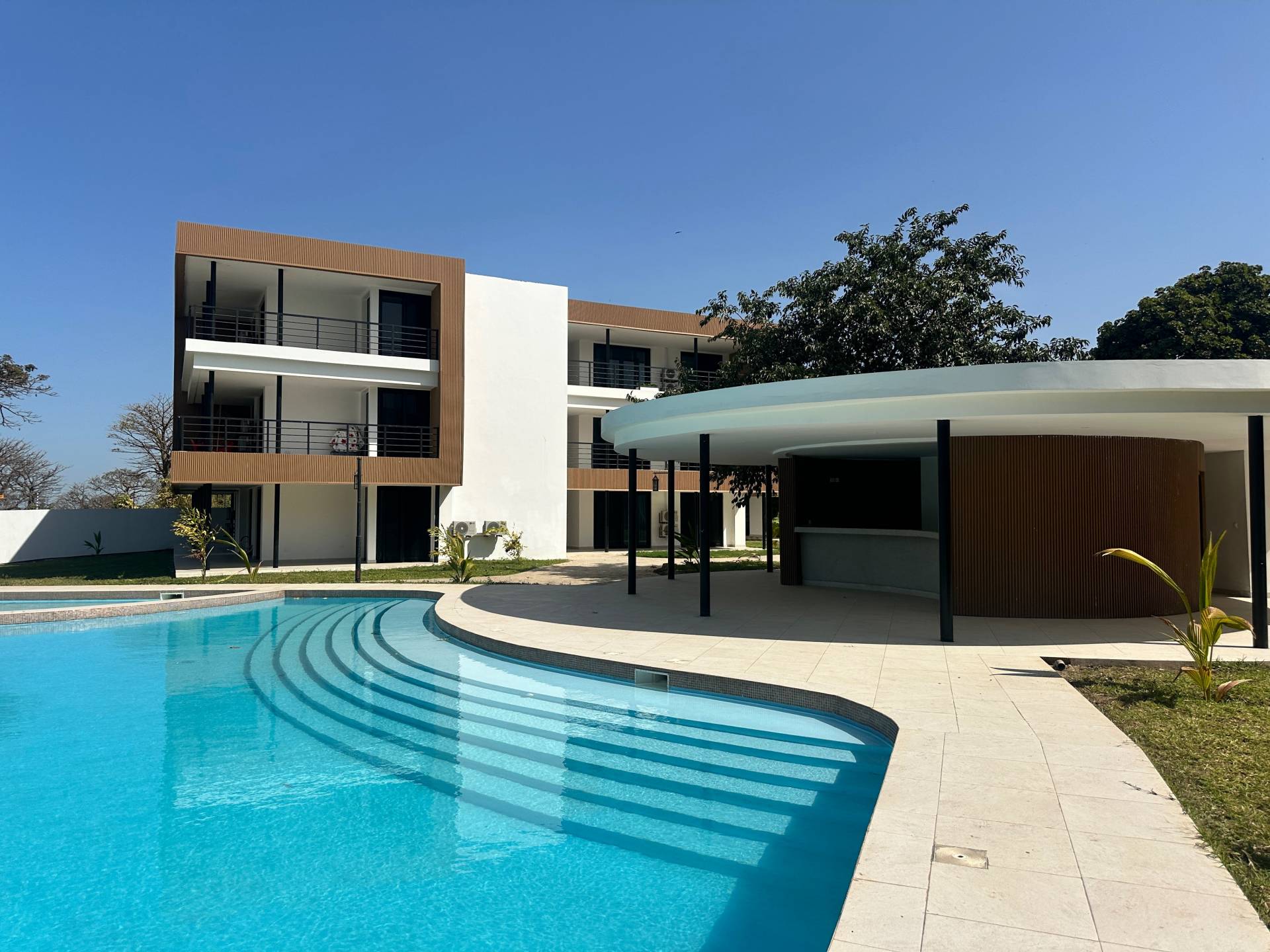
Blue Ocean’s Tanji Cliffs waterfront listing advertises apartments from $80,000. When comparing developments, confirm the status of the individual unit and the facilities included in its price rather than assuming every property has the same delivery arrangements.
Step 6: Arrange Independent Legal Representation
Appoint a Gambian lawyer experienced in property transactions who acts for you independently of the seller. Agree the scope of work, fees and reporting arrangements before instructing them.
- Review the reservation terms and sales contract.
- Investigate ownership, boundaries, approvals and relevant restrictions.
- Assess the proposed payment protection arrangements.
- Explain default, delay, cancellation and dispute provisions.
- Confirm the documents and consents required for transfer.
- Handle the agreed completion and registration work.
Request an itemised quotation separating professional fees, taxes, registration charges and other expenses. Confirm which additional work could lead to further fees.
If buying with a partner, through a company or for family use, discuss ownership and succession at the outset. The structure should reflect your intentions and the legal position in the relevant jurisdictions.
Step 7: Plan Financing and Currency Commitments
Build a payment calendar covering every instalment, purchase expense and expected furnishing cost. Confirm that funds will be available when due, including if construction reaches a milestone earlier than expected.
Do not assume that advertised financing is available to every purchaser. For Kololi District’s advertised five year customer financing, request written information on eligibility, deposit, interest, fees, security and the consequences of missed payments.
- Contract currency: Confirm whether the price is fixed in USD, euros, Gambian dalasi or another currency.
- Conversion method: If payment can be made in another currency, establish the rate source and conversion date.
- Transaction charges: Allow for sending, intermediary and receiving bank fees.
- Contingency: Test the effect of exchange movements and unexpected costs on your ability to pay.
- Financing conditions: Establish whether lending approval could expire or change before completion.
Discuss currency options with your bank or an appropriately regulated provider. Holding foreign currency or using a forward contract can change exposure but also introduces costs, commitments and the possibility of missing a more favourable future rate.
A useful budget test is to model costs rising by 5% and 10%. These are stress scenarios, not recommended reserve levels for every buyer.
Step 8: Secure Inspection, Snagging and Warranty Terms
Snagging identifies defects, incomplete items and departures from the agreed specification. Arrange an independent inspection before accepting handover wherever your contract permits.
The agreement should address:
- Inspection access: When you or your representative can inspect and what notice is required.
- Defect reporting: How issues must be recorded and acknowledged.
- Rectification: Deadlines, responsibility and the process if repairs remain outstanding.
- Payment conditions: Any agreed retention or conditions affecting the final instalment.
- Warranty coverage: Duration, exclusions, responsible parties and claim procedures.
- Handover documents: Keys, equipment manuals, guarantees, meter information and ownership paperwork.
You could propose a two to four week inspection period and a six to twelve month defect correction period as negotiating points. They should not be assumed to apply unless agreed, and your lawyer should assess whether the proposed protection is adequate.
Inspect shared facilities and access arrangements as well as the interior. A finished apartment may still be inconvenient to occupy if essential services or communal works remain incomplete.
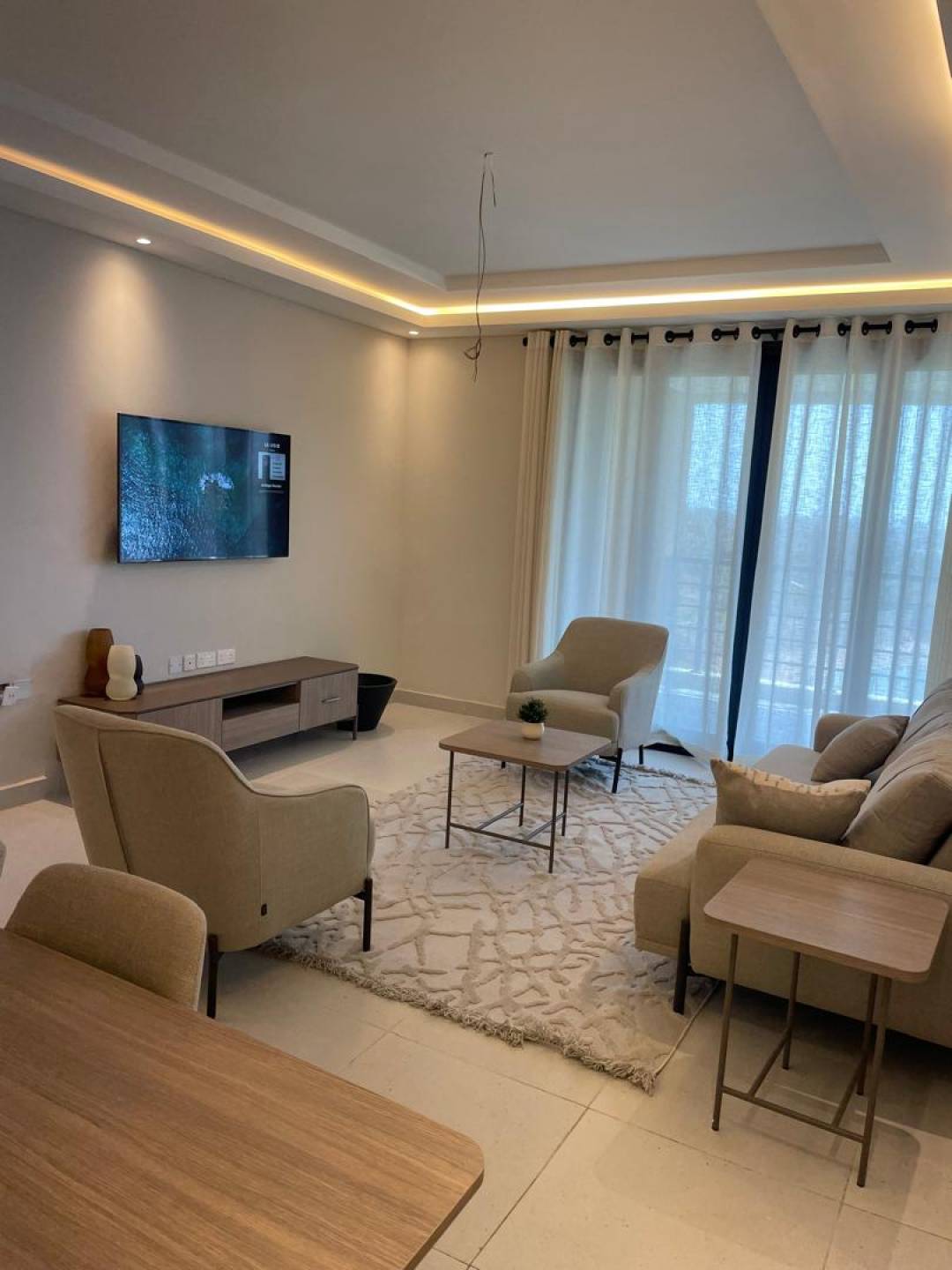
Interiors shown in Blue Ocean’s A3A Tanji Cliffs listing illustrate why buyers should compare the finished property with a written specification. Furniture, lighting and equipment shown in photographs should only be treated as included when the contract says so.
Frequently Asked Questions About Buying Off Plan in The Gambia
How can I manage currency risk during construction?
Identify each payment’s currency and due date, then test how exchange movements affect your budget. Ask your bank or regulated currency provider about the costs and commitments of available options. Do not assume today’s exchange rate will apply to later instalments.
Does buying property settle my residence requirements?
Treat immigration permission as a separate enquiry. The Gambia Immigration Department publishes residence permit categories and application requirements. Confirm the rules relevant to your nationality and intended stay before planning relocation around a property purchase.
What rental yield can I expect, and when could income begin?
Calculate returns for the individual property using supported rental comparisons and realistic operating costs. Income depends on completion, handover, furnishing, permitted use and finding tenants or guests. A 21 month construction programme does not guarantee income in month 22.
Use Blue Ocean’s rental property listings to compare asking rents, then ask for achieved rental evidence where available. Include vacancies, management, maintenance, service charges and tax in your forecast.
How should I address inheritance and joint ownership?
Ask your lawyer to explain the ownership structure and what happens if an owner dies. Obtain advice on any local will or estate arrangements and how they interact with documents in your home country. Do not assume that survivorship or foreign succession arrangements operate as expected without review.
What happens if the developer does not complete?
Your position depends on the contract, payment security, the developer’s circumstances and applicable law. Before signing, have your lawyer explain termination rights, refund provisions, dispute procedures and the practical prospects of recovering money.
Escrow, guarantees or registered interests may offer different forms of protection, but none should be assumed to provide automatic recovery or priority. Their wording and legal effect need individual assessment.
What construction insurance should I check?
Ask who insures the works, what the policy covers, whether premiums are current and how claims affect the project. Confirm when your own insurance responsibility begins and whether cover is required before occupation. Do not assume that a construction policy protects your deposit or guarantees completion.
Can I inspect progress during construction?
Agree inspection rights and safety procedures in the contract. A notice period of 48 to 72 hours could be proposed, subject to site arrangements. Use an independent surveyor or engineer to assess technical progress and record concerns in writing.
Can I negotiate the contract?
Ask for changes before paying a reservation fee or signing. Focus on payment conditions, specification, completion arrangements, inspections, remedies and handover documents. Your lawyer should explain the consequences of any terms the seller will not change.
Can I sell my purchase contract before completion?
Ask whether assignment is permitted, whether consent is required and which charges or conditions apply. Do not rely on finding another purchaser to fund your remaining payments. An unfinished property can be difficult to sell, and the eventual price is uncertain.
How long will ownership registration take?
Request a transaction specific estimate from your lawyer, including the documents, consents and outstanding matters that affect it. Construction handover and ownership registration may follow different timelines. Any retention linked to registration must be negotiated and recorded in the contract.
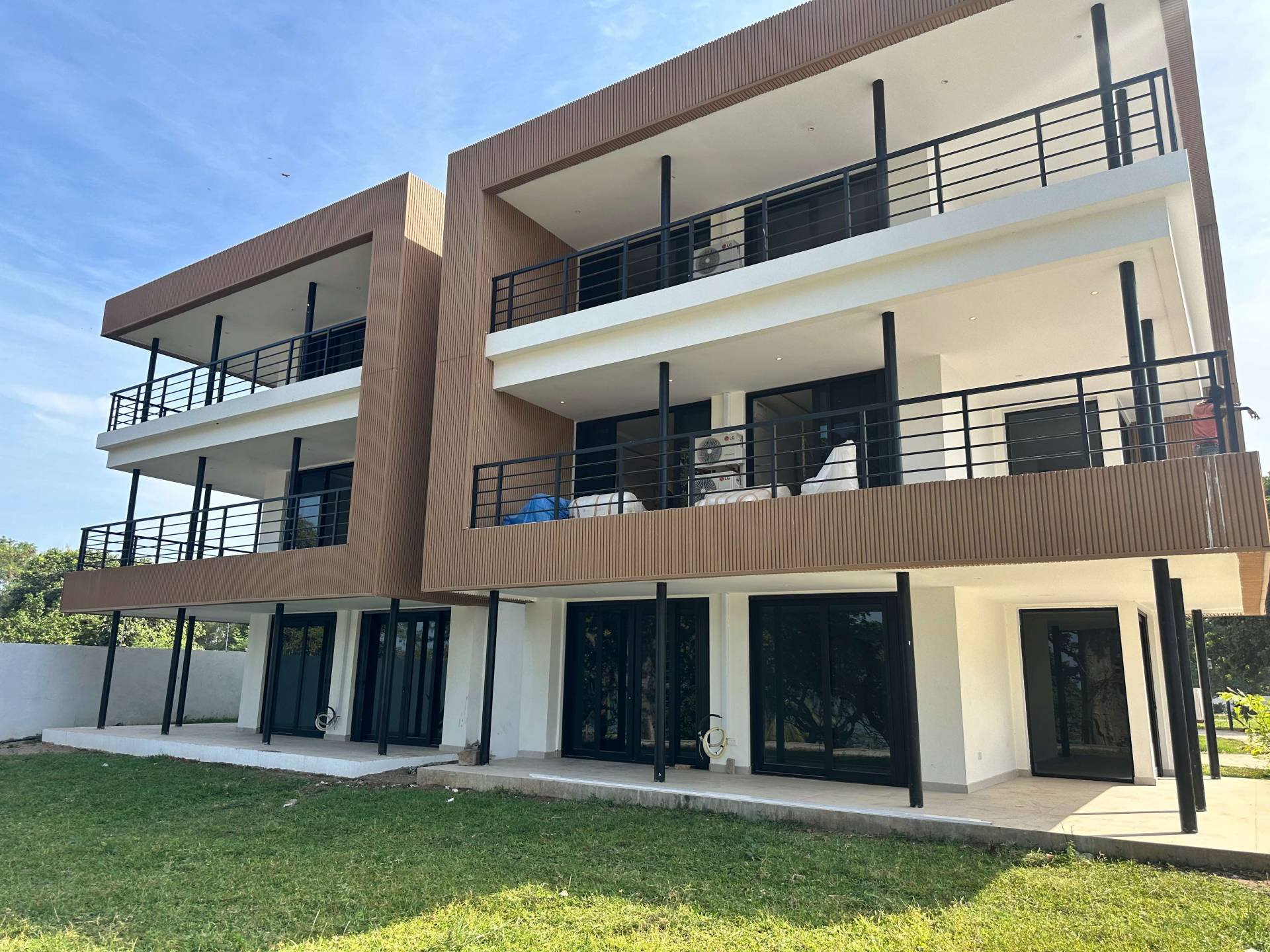
Final Checks Before You Commit
Before signing or paying a deposit, work through the following checklist with your independent advisers:
- Visit the site. Assess the surroundings, access, services and actual construction stage.
- Inspect previous work. Speak with owners where possible and ask about handover and repairs.
- Identify every legal party. Establish who owns the land, develops the project and sells the property.
- Verify the property documents. Check ownership, boundaries, restrictions and approvals.
- Agree the specification. Attach signed plans and a clear schedule of included items.
- Understand payment exposure. Confirm release conditions, certification and any security.
- Plan for delay. Review contractual remedies and test the effect on your budget.
- Confirm financing and currency arrangements. Ensure you can meet the full schedule and related expenses.
- Set handover requirements. Include inspections, defect reporting and required documents.
- Keep independent representation. Obtain legal and technical advice before committing funds.
Discuss Your Property Search With Blue Ocean
Compare Blue Ocean’s properties for sale in The Gambia and ask which options match your budget, preferred location and occupation timeline.
For Kololi District, request the current unit schedule, construction update, contract specification and full customer financing terms. For Heritage Community or Tanji Cliffs, confirm the status and availability of the specific home you want to inspect.
Call (+220) 3972583 or email info@blueoceanproperties.net with the development name, budget and intended use. Ask the team for the project documents your independent lawyer and surveyor need to review.
Contact Blue Ocean Properties
Phone: (+220) 3972583
Email: info@blueoceanproperties.net
Explore properties for sale in The Gambia


