


 Sign-In / Register



You have found a beachfront property for sale in The Gambia, but the ocean view alone cannot tell you whether it is a sound purchase. Before paying a deposit, you need to establish what you are legally buying, whether the building or plot complies with local requirements, and how coastal conditions could affect your property over time.
These checks are especially important for overseas buyers who may be purchasing a holiday apartment, retirement home or property intended for rental income. A desirable coastal location can still involve questions about land tenure, plot boundaries, erosion, road access, electricity, water supply and ongoing maintenance.
Blue Ocean Properties has operated in The Gambia since 2011 and offers properties across coastal locations including Kololi, Brufut and Tanji. Its current portfolio includes Tanji Cliffs waterfront apartments advertised from $80,000 USD and the Kololi District development in Palma Rima, with apartments advertised from $58,000 USD.
This guide explains the essential checks to make before buying beachfront property in The Gambia, using current Blue Ocean listings and official land and environmental guidance to help buyers make informed decisions.
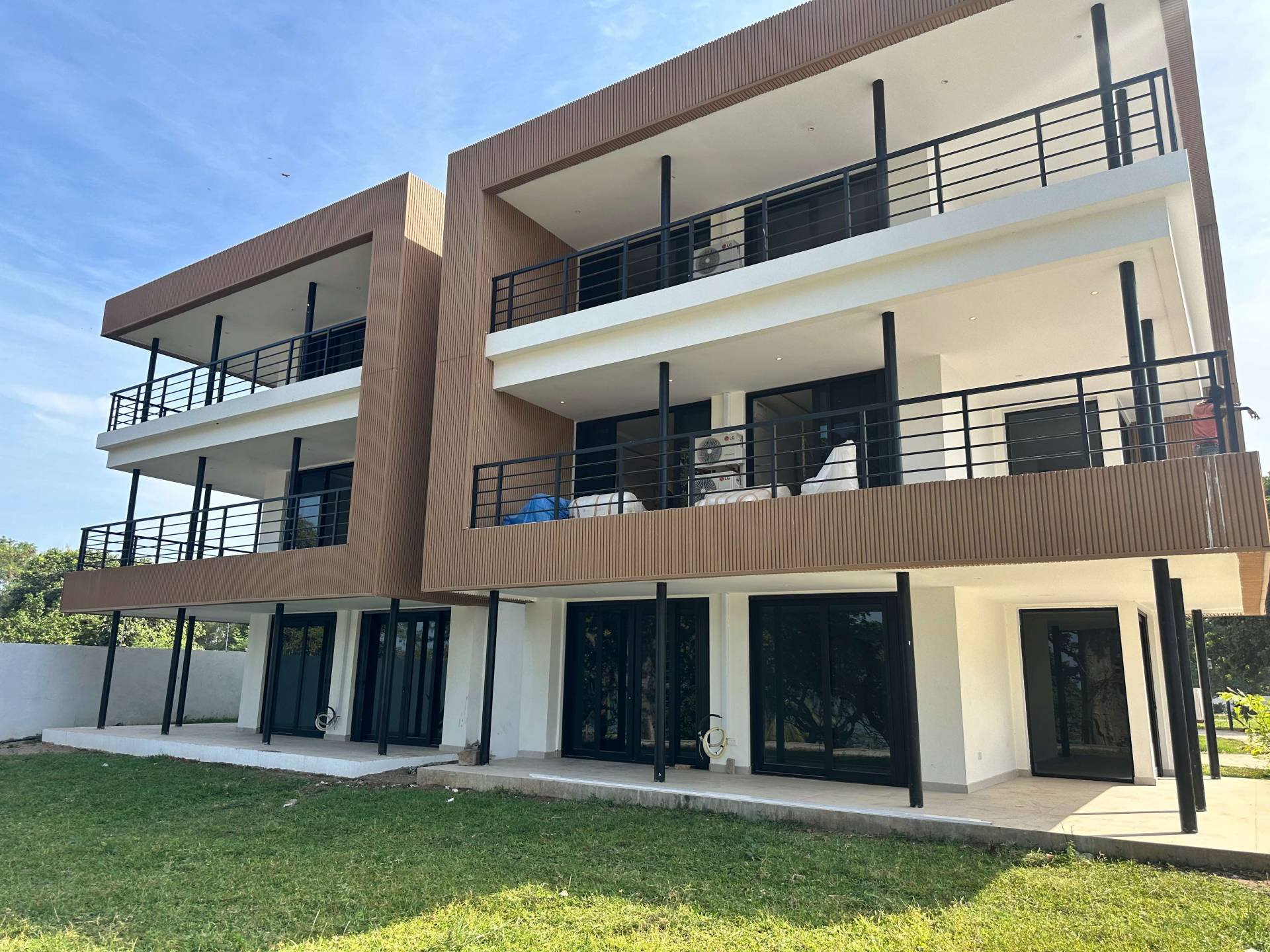
Where Should You Look for Beachfront Property in The Gambia?
The right coastal location depends on how you intend to use the property. Some buyers want restaurants and shops within easy reach. Others are looking for ocean views, a quieter residential setting or a completed apartment that can be used soon after purchase.
Kololi, Brufut and Tanji provide different starting points. However, the condition of the actual property, its legal status and available services are more important than assuming every property within one location is the same.
| Coastal Area | Property Considerations | What Buyers Should Check |
|---|---|---|
| Kololi | Established coastal neighbourhood with access to tourism, restaurants and everyday services | Exact distance to the beach, development stage, ownership documentation and management charges |
| Brufut | Residential communities, houses and apartments around the coastal corridor | Road access, land boundaries, water supply and proximity to the actual shoreline |
| Tanji | Waterfront apartments and quieter coastal surroundings | Coastal exposure, drainage, building condition, service arrangements and access |
For a more detailed comparison of two specific opportunities, read Kololi District vs Tanji Cliffs: Which Development Fits Your Property Goals?.
1. Verify the Property Title Before Paying a Deposit
Your first priority should be confirming who has the legal right to sell the property and precisely what rights are being transferred.
The Gambia has different forms of land tenure, including freehold, leasehold and customary arrangements. Buyers should not assume that a property advertised for sale automatically comes with unrestricted freehold ownership.
The country's official National Land Policy identifies the Deeds Registry, within the Ministry of Justice, as responsible for recording documents including conveyances, leases, assignments, mortgages and caveats. Your independent lawyer should obtain and review the relevant records before any binding commitment.
Essential title checks
- Confirm the legal identity and authority of the seller.
- Examine the title deed, lease or other applicable ownership documents.
- Identify mortgages, caveats, outstanding claims and restrictions.
- For leasehold property, establish the remaining term and transfer conditions.
- Confirm whether foreign ownership, resale or letting requires additional approvals in the particular circumstances.
You can learn more about the relevant authorities through the Government of The Gambia's National Land Policy.
2. Confirm Plot Boundaries and Legal Access
The advertised plot size needs to match the legally recognised boundaries. For undeveloped coastal land, this is especially important because fences, informal paths and neighbouring use may not accurately reflect the registered parcel.
Commission an appropriately qualified surveyor to compare the physical site with its survey and ownership documentation. If access crosses another person's land, have your lawyer establish whether the necessary legal rights exist.
For buyers considering construction, access must also be practical. A route that is passable during the dry season may be harder to use during periods of heavy rainfall.
3. Check Coastal Erosion and Building Restrictions
Beachfront property brings additional environmental considerations. Shorelines can change through erosion, sediment movement, wave action and seasonal weather. The amount of exposure differs between individual sites, even within the same coastal area.
The Gambia's National Environment Agency monitors changes along the coastline, including areas affected by erosion and sediment accumulation. Government-backed coastal resilience work also includes beach nourishment and dune restoration to address erosion risks.
A buyer should therefore request property-specific evidence rather than rely on general erosion estimates for Brufut, Kololi or Tanji.
What to inspect at the coast
- Visit the location at different tidal conditions where practical.
- Look for exposed foundations, damaged retaining walls, unusual drainage and evidence of shoreline change.
- Ask whether historical shoreline surveys or environmental assessments are available.
- Confirm applicable coastal setbacks and development restrictions in writing.
- Obtain specialist advice before relying on future sea-defence works or construction near the shoreline.
The National Environment Agency is a relevant starting point for environmental oversight, while the appropriate planning authority should confirm the permissions applying to the exact site.
4. Review Building Permits and Environmental Approvals
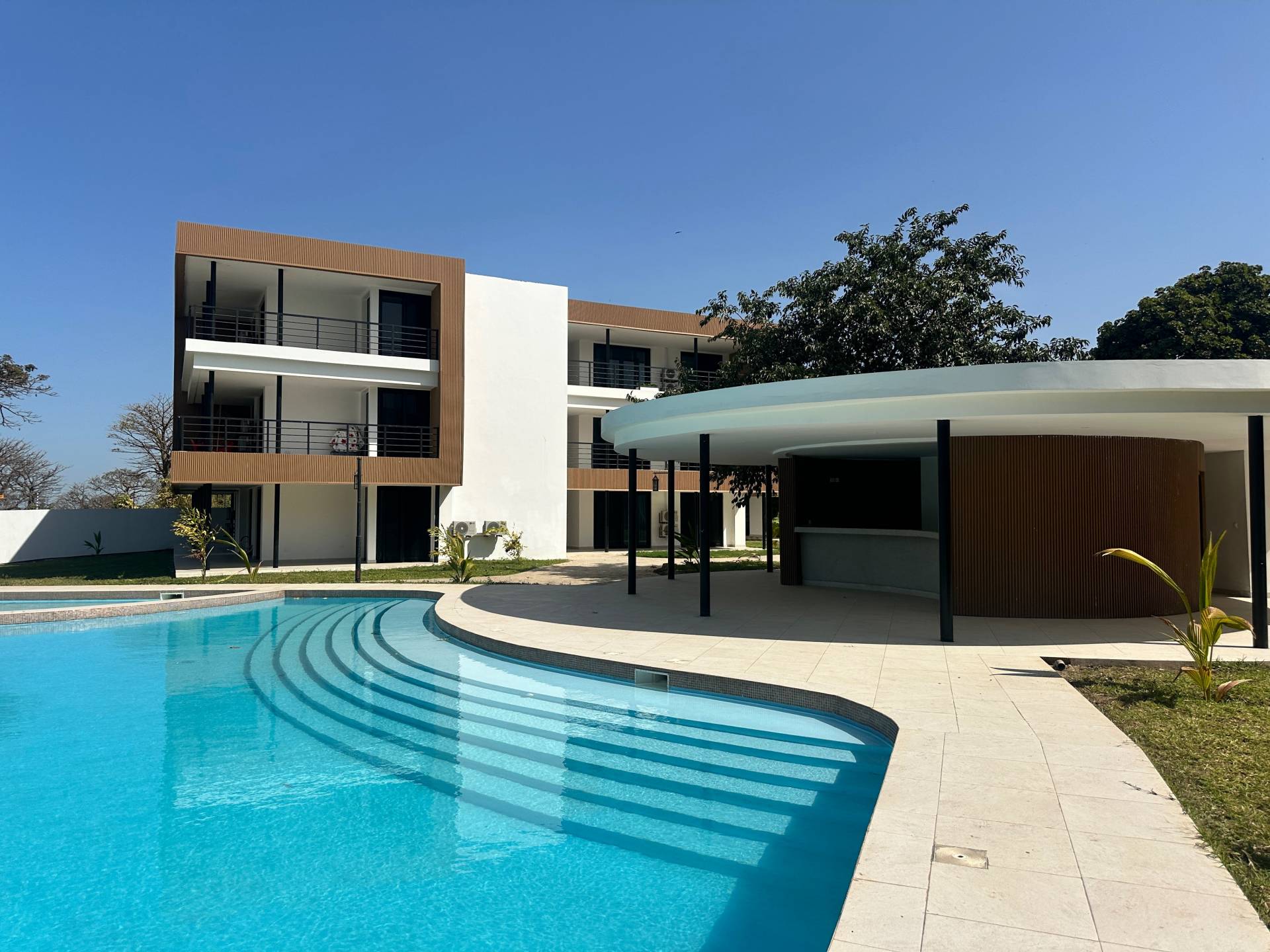
Before buying an existing beachfront home or apartment, ask for the building permits and other approvals applicable to that development. A newly completed building should still be assessed against its approved plans and relevant completion documents.
For vacant land, do not assume that the whole plot can be developed. Building coverage, intended use, access, environmental restrictions and the required planning process should be confirmed before purchase.
The Ministry of Lands and Regional Government identifies the Department of Physical Planning and the Department of Lands and Survey among its relevant agencies. Your lawyer and architect should establish which authorities must approve the specific project.
5. Verify Water, Electricity and Road Infrastructure
A beachfront property must be practical to use throughout the year, not only during a short viewing visit.
Check whether water and electricity are already connected, who provides them and whether backup systems are included. For a property relying on a borehole, investigate water quality, salinity, capacity and maintenance requirements.
Also inspect access roads, drainage, internet connectivity and security. Buyers intending to rent their property should establish who is responsible for maintaining these services when the owner is abroad.
Blue Ocean's Tanji Cliffs waterfront apartment listing advertises amenities including management and security services, a reliable power supply, swimming pool, gym, spa, restaurant and bar. These provide a practical starting point for questions about what services are included and how they are maintained.
6. Compare Completed Waterfront Property With Off-Plan Developments
Another important decision is whether you want a completed property that can be inspected before purchase or a development still under construction.
Blue Ocean Properties offers examples of both. Tanji Cliffs has completed waterfront apartment stock, while Kololi District is an ongoing mixed-use development in Palma Rima with completion currently scheduled for December 2027.
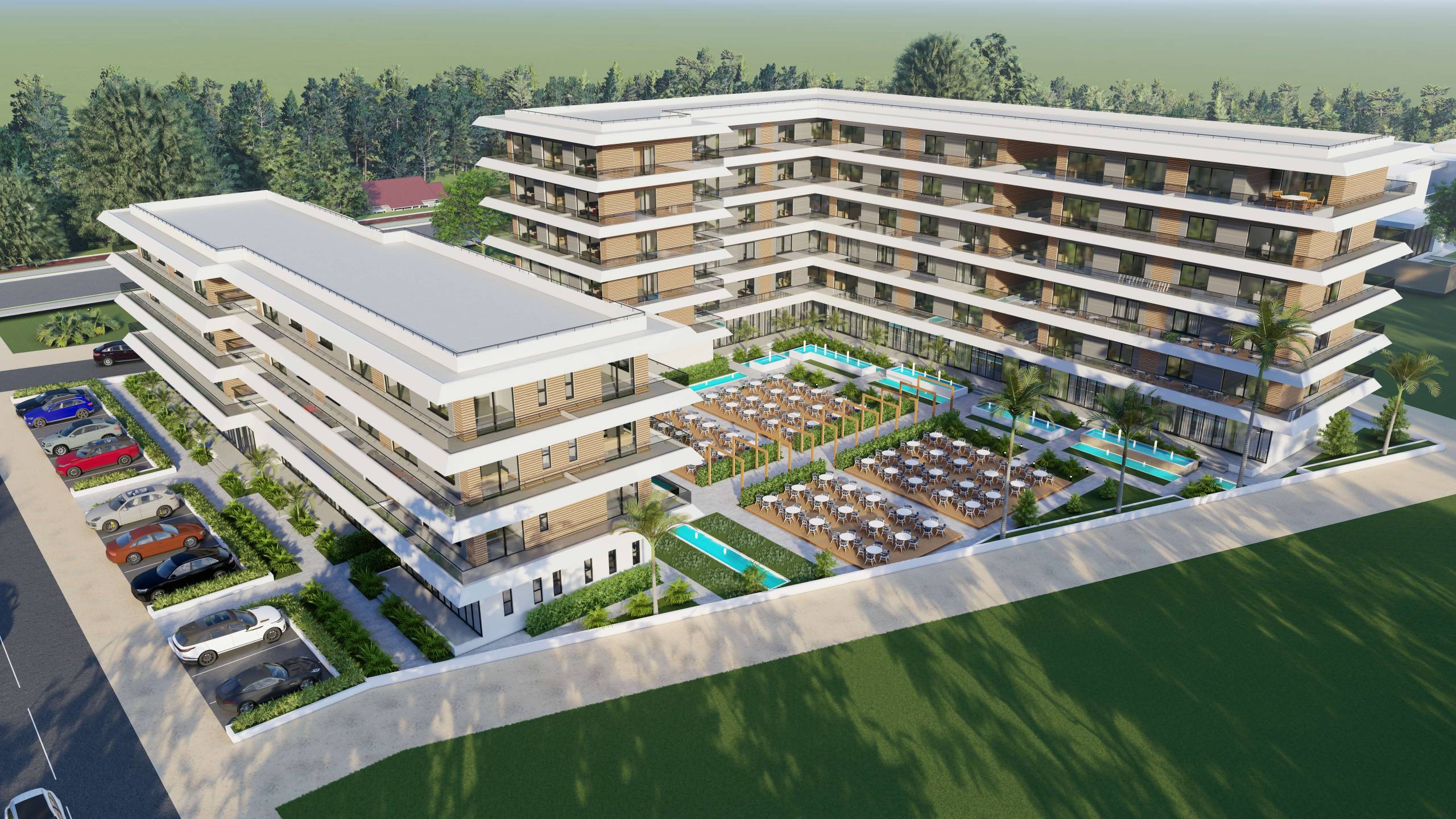
For a completed apartment, you can assess the building, access, facilities and condition directly. For an off-plan property, your focus should include the construction schedule, approved plans, contract protections, instalment terms and handover arrangements.
Neither route is automatically better. The appropriate choice depends on whether you prioritise immediate occupation, development flexibility, payment timing or the ability to inspect the finished property.
7. Understand the Full Cost of Beachfront Ownership
The purchase price is only one part of the financial commitment. Coastal properties may require additional maintenance because buildings, windows, metalwork and outdoor equipment are regularly exposed to salt air and moisture.
Before buying, request a written breakdown of the applicable costs.
| Cost | What to Confirm |
|---|---|
| Legal and transfer costs | Independent legal fees, applicable stamp duty and registration charges |
| Surveys and inspections | Boundary survey, building inspection and coastal assessment where needed |
| Service charges | Security, common areas, swimming pool, lift and maintenance responsibilities |
| Utilities | Electricity, water, internet and backup power arrangements |
| Insurance | Available cover, exclusions, excesses and any coastal-risk conditions |
| Rental management | Marketing, cleaning, tenant management and vacancy periods |
Fees and taxes can depend on the transaction and ownership structure, so request current written calculations from your lawyer rather than relying on a standard percentage quoted in a marketing article.
8. Check Community Arrangements and Shared Facilities
Coastal property may also involve shared spaces, neighbouring access or local community interests. In some areas, existing routes to fishing beaches or traditional land arrangements deserve particular attention.
The Gambia's National Land Policy recognises the role of chiefs and village heads, known as alkalolu, in customary land administration and dispute resolution. Where these issues are relevant, your lawyer should establish what consultations and documentation are needed.
For an apartment complex, request the applicable management agreement, rules governing common facilities, service-charge schedule and information about maintenance reserves. Clarify whether owners are permitted to let their apartments and whether additional management charges apply.
A Real Blue Ocean Property Example: Tanji Cliffs
A useful way to apply the checklist is to consider an actual coastal property currently offered by Blue Ocean rather than an invented purchase scenario.
The Tanji Cliffs waterfront apartment is advertised from $80,000 USD, with one bedroom, one bathroom and approximately 67 m² of internal space. Its published features include ocean views, swimming pool, spa, gym, restaurant, security and management services.
For a buyer considering this property, the appropriate next step is not to calculate an assumed rental yield from the asking price. It is to request the documentation for the exact unit and understand the practical cost of owning it.
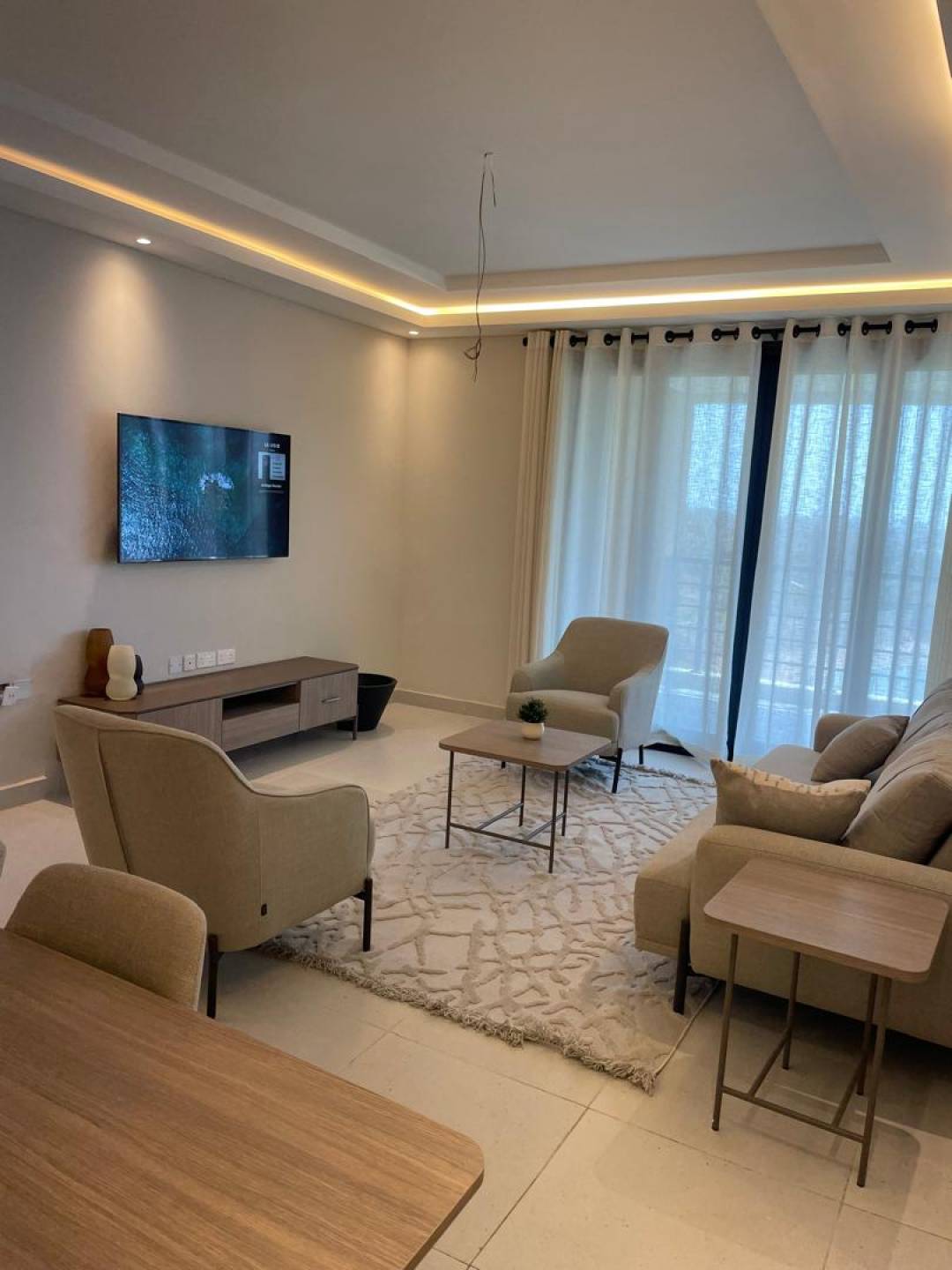
Ask Blue Ocean for the unit's current availability, tenure documentation, management arrangements, annual service charges, included furnishings and any applicable warranty documents. Have an independent lawyer review the legal position before signing.
10-Point Beachfront Property Checklist
- Verify ownership: Have an independent lawyer examine the relevant title or lease documents.
- Check boundaries: Compare the survey plan with the actual property.
- Assess coastal risk: Investigate erosion, flooding, drainage and site exposure.
- Confirm planning status: Request relevant permissions and written confirmation of allowable use.
- Inspect the building: Check construction quality, condition, defects and applicable warranties.
- Check infrastructure: Confirm water, electricity, road access, internet and backup systems.
- Understand local arrangements: Review community access and shared-facility obligations where applicable.
- Calculate total costs: Include legal fees, transfer costs, insurance, maintenance and service charges.
- Review the contract: Have the payment schedule, completion conditions and remedies independently checked.
- Confirm registration: Ensure the transfer is properly completed and registered as required.
How Blue Ocean Properties Can Help
Blue Ocean Properties offers buyers a practical way to compare different coastal property formats within its own portfolio. Instead of beginning with a generic beachfront search, you can compare a completed Tanji Cliffs waterfront apartment with a development such as Kololi District and decide which suits your intended use and budget.
The team can provide current property information, arrange viewings and discuss development features, payment options and management arrangements. Buyers should still appoint their own qualified legal and technical advisers for independent verification.
Frequently Asked Questions
Can foreigners buy beachfront property in The Gambia?
Overseas buyers can explore property purchases in The Gambia, but the rights and approvals involved depend on the property's tenure and legal circumstances. Have a Gambian property lawyer confirm whether the proposed ownership structure and transfer are permitted before committing funds.
What is the coastal building setback in The Gambia?
Do not assume one standard setback applies to every beachfront plot. Ask the relevant planning and environmental authorities for written confirmation of the requirements applying to the exact location and proposed development.
How can I tell whether beachfront land is affected by erosion?
Inspect the shoreline, review available historical surveys and commission an appropriate coastal assessment for higher-risk sites. Visual observations alone cannot reliably establish long-term erosion rates.
Is buying an apartment safer than buying a beachfront plot?
A completed apartment allows buyers to inspect the existing building and facilities, while vacant land creates additional questions about future development permissions and infrastructure. Both require legal and physical due diligence, and neither is automatically risk-free.
Can I rent out my beachfront property?
Rental opportunities exist, but buyers should establish whether letting is allowed for the particular property and request realistic estimates of income, occupancy, management charges and maintenance. Advertised rental prices should not be treated as guaranteed returns.
What additional costs should I budget for?
Allow for legal advice, surveys, applicable transfer and registration charges, insurance, utilities, service charges and ongoing maintenance. Request written quotations for your transaction rather than relying on a fixed generic percentage.
Find the Right Beachfront Property With Blue Ocean
Buying beachfront property in The Gambia can be an attractive way to secure a holiday home, long-term residence or investment property. The key is ensuring the legal rights, coastal conditions, building documentation and ongoing costs support what you want to achieve.
Start by comparing real available properties rather than relying on general market claims. Blue Ocean's current portfolio provides options for buyers seeking completed waterfront apartments and those willing to consider developments at an earlier stage.
Considering beachfront property in The Gambia?
Explore Tanji Cliffs waterfront apartments or browse Blue Ocean Properties' current portfolio to compare available opportunities.
For current availability, viewings and property documentation, contact Blue Ocean Properties.
Telephone: (+220) 397 2583
Email: info@blueoceanproperties.net


